Flowers and Their Own Language
The meaning of flowers commonly chosen for funeral services.
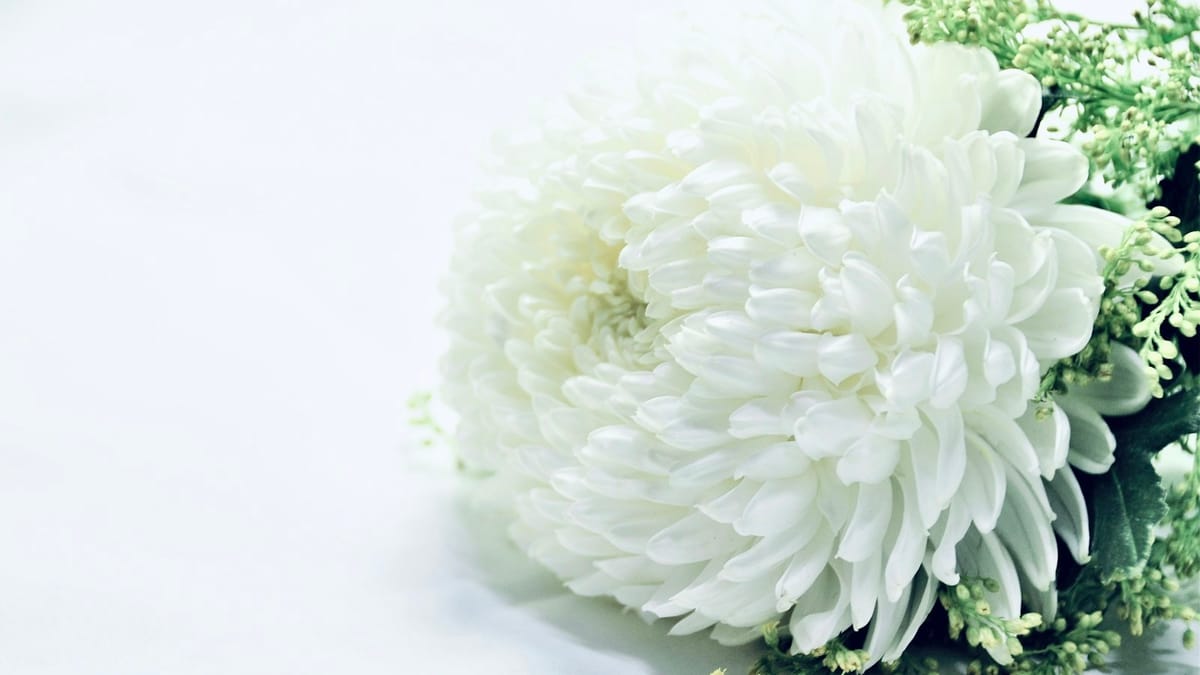
Did you know that during the Victorian era flowers were used to convey messages and feelings that social conventions did not allow people to express openly? This symbolic language is known as floriography. Although it arose in a particular cultural setting, it has crossed borders and remains a universal way to communicate without words.
During a delicate moment such as a farewell, their language can help express support, love, and respect for those who have died and for their loved ones.
The meaning of flowers commonly used at funeral services
- Lilies: purity, peace, and innocence. They are fitting for conveying serenity and comfort.
- Roses: love, respect, and appreciation. White roses symbolize purity and peace; red roses, everlasting love; and pink roses, gratitude.
- Chrysanthemums: mourning, respect, and eternity. They are traditional in funeral ceremonies.
- Carnations: everlasting love and loyalty. Red carnations convey deep and enduring affection.
- Gladioli: strength, sincerity, and remembrance. They communicate integrity and support.
- Orchids: love, beauty, and uniqueness. They express a special feeling toward the person who has died.
- Daisies: innocence and simplicity. They are ideal for tender farewells.
Choosing flowers for their meaning can be a warm and respectful way to accompany those grieving a loss.